




Hard landscape

Hard landscape (also referred to as hardscape) is a term used to describe the non-plant material used in landscaping, such as a park or garden. The term is most commonly used by landscape architects and other professional garden designers who have been hired to enhance a landscape.
In their most basic form, hard landscaping elements can provide support for soft landscaping components such as plants, trees, soil and so on. Ideally, both elements should work together to create a cohesive space that is naturally linked to the world around it.
Elements of hard landscaping can be either natural or artificial. Examples include retaining walls, paving material, driveways, walkways, decking, steps and so on. They can also include planters, gazebos, outdoor kitchens, fountains and permanent furniture.
Other hard landscape elements might include:
- Paths.
- Patios.
- Sculptures.
- Fencing.
- Drainage systems.
- Irrigation systems.
- Lights.
- Structures (e.g. sheds, pergolas, follies, greenhouses).
- Water features (e.g. fountains, ponds, creeks, waterfalls).
- Trellises.
- Gates.
Hard landscaping elements can create outdoor spaces that can be used for multiple purposes. When fitted with electronic equipment for sound, lighting, heating and other comforts, these outdoor areas can serve as extra 'rooms' for entertaining.
It may also form part of the design of safety, security, lighting, privacy planning and so on.
For planning purposes, landscape practitioners may approach hard landscaping early in the process since it typically provides the framework for the plant-based aspects of the project.
Part of the importance of hard landscape planning has to do with the management of water. The hard landscaping foundation can control moisture levels by storing or draining water and supporting irrigation systems. It can also help prevent soil erosion.
Hard landscaping paths can protect grass and other soft elements from damage caused by footfall.
Another practical aspect of hard landscaping is its ability to help prevent issues with buildings such as flooding, rot or cracks that could be created by excessive groundwater or planting.
[edit] Related articles on Designing Buildings Wiki
Featured articles
Check out some of the best features and news from Designing Buildings as well as key stories from around the web.
ECA responds to the Milburn Report

Youth employment to be linked to workforce demand.
The construction industry urgently needs to attract new talent

CIOB responds to Neets report.
Grenfell Tower community update

Memorial columns to be retained as careful dismantling continues.
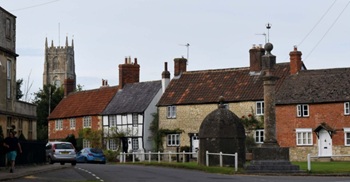
When buildings reflected the local resources available.

CIOB reports 57% are using artificial intelligence technologies.

More of England’s ‘hidden heroes’ will be celebrated.

CIAT calls for retrofit to be a priority.

Version 6 is now available, along with guidance for ECA members.

Post-War Homes: mid-century British architecture. Book review.

CIAT reflects on the party conferences.
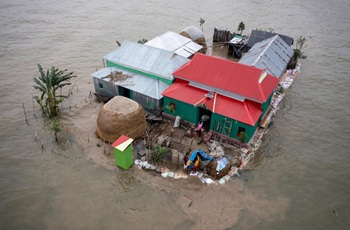
CIOB announce the winners of the Art of Building photography competition.

National Scheme of Delegation introduced.